
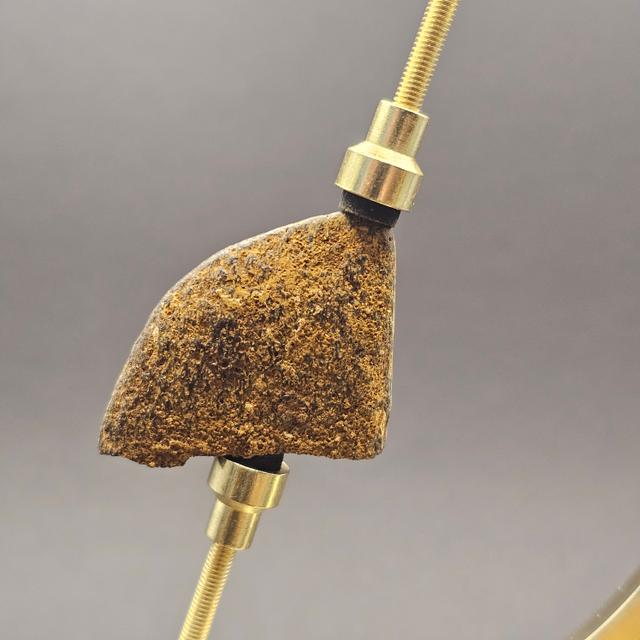

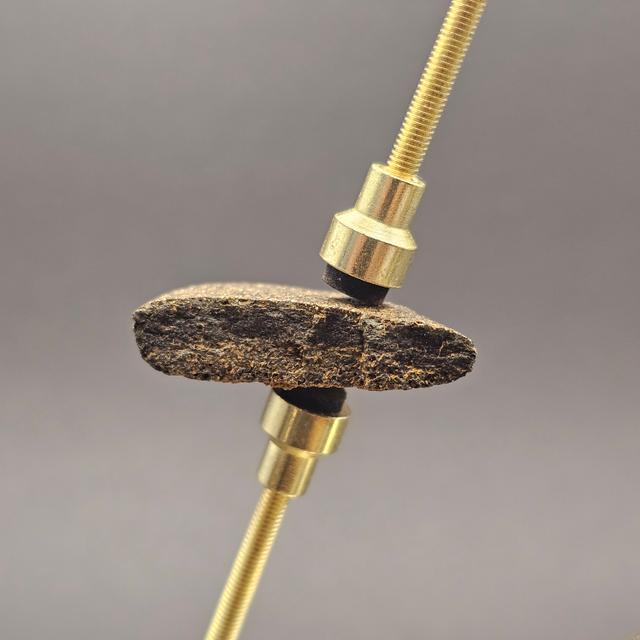
 Representative Image
Marine Reptiles
·Real Fossil
Plesiosaur Bone Fragment
- Real Fossil
- 120 million years
- Ships worldwide
£13.99
● In stock — dispatched within 2 working days
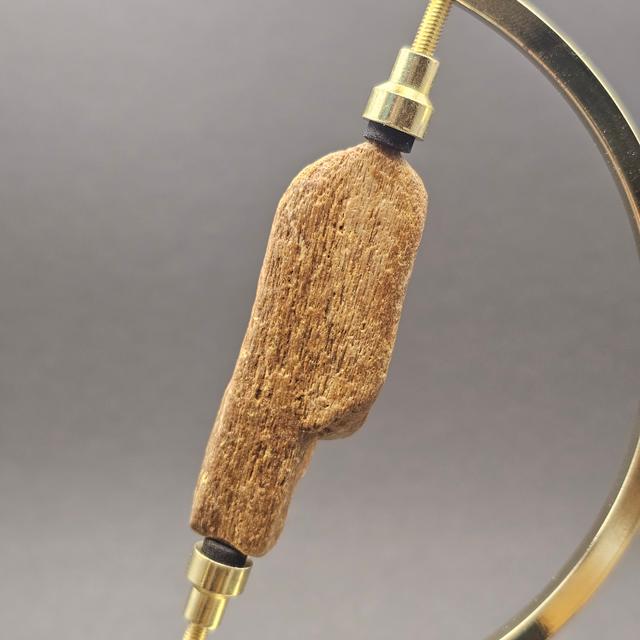
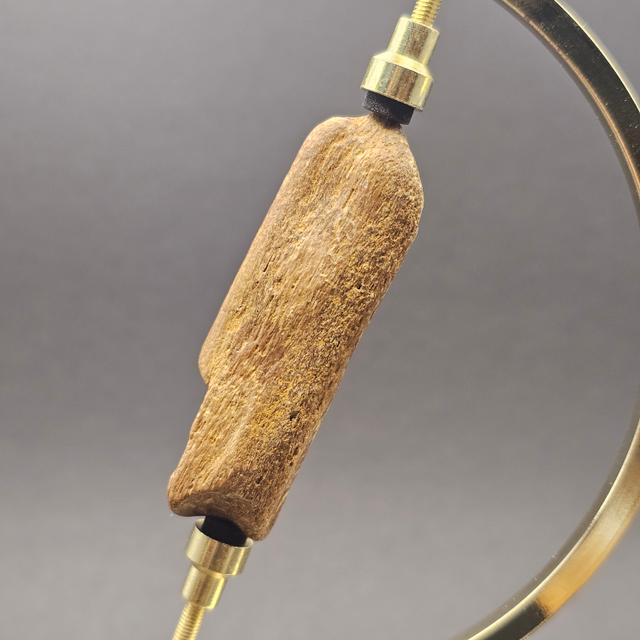
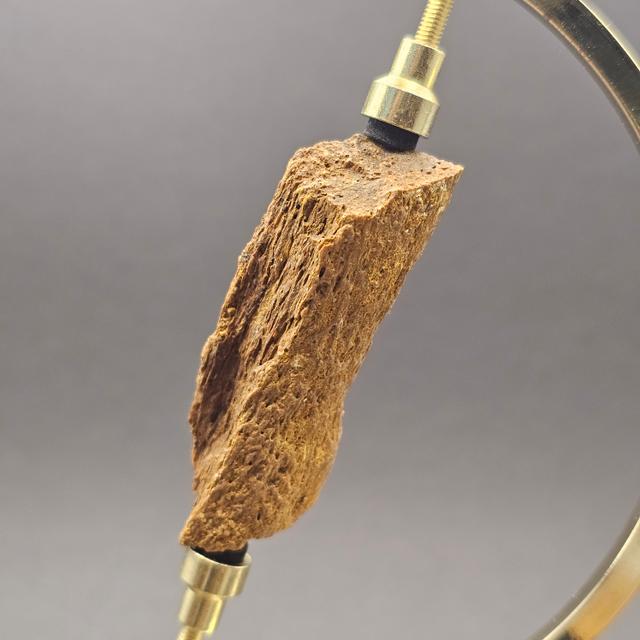
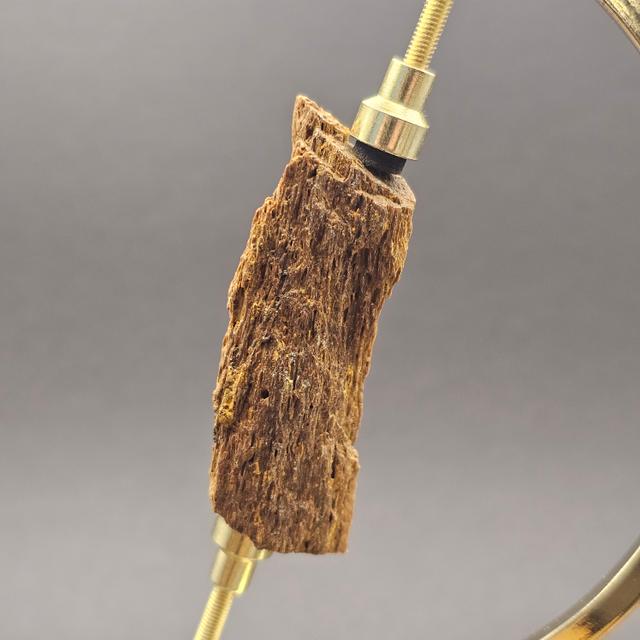
An authentic 120-million-year-old Plesiosaur bone fragment from the Cretaceous Lower Greensand of Farringdon, Berkshire. Specimens are typically 4-6cm long, 1.5-2cm wide, and 1-2cm deep.
Specimen Record
DTF-46C5600ARepresentative image
Photographs show a typical example. Your item will be similar but not identical.
- Species
- Plesiosauria indet.
- Identification confidence
- Not recorded
- Age
- 120 million years
- Geological period
- Cretaceous
- Formation
- Lower Greensand Group
- Locality
- Farringdon, Berkshire, UK
- Dimensions
- Not recorded
- Weight
- Not recorded
Condition & Treatment
- Repair
- Not recorded
- Restoration
- Not recorded
- Stabilisation
- Not recorded
- Polishing
- Not recorded
- Composite
- Not recorded
"Not recorded" means we hold no verified record for that detail — it is not a claim either way.
Curator Note
What makes this fragment particularly notable is its provenance from Farringdon, a classic British locality famed for its diverse Cretaceous fauna. While complete Plesiosaur skeletons are exceptionally rare, these fragments allow collectors to hold a genuine piece of palaeontological history that is both scientifically significant and evocative of Britain's ancient maritime past.
At a Glance
Type
Genuine fossil
Display
Small and robust; displays well in a glass cloche or small specimen box.
About This Fossil
This authentic bone fragment belonged to a Plesiosaur, the iconic long-necked marine reptile that ruled the Mesozoic oceans. Found in the fossil-rich deposits of Berkshire, this specimen offers a tangible connection to the predators that once cruised the shallow Cretaceous seas of what is now southern England. Unlike the soft tissues of these creatures, their dense skeletal structures were well-suited for preservation, leaving behind these stone-like remnants of a lost underwater world.
The fragment exhibits the characteristic spongy, trabecular bone structure typical of marine reptiles, which helped these animals manage buoyancy and withstand the pressures of the deep. While incomplete, such pieces are vital for understanding the distribution and anatomy of these magnificent reptiles during the Early Cretaceous. It serves as a poignant reminder of the vast ecosystems that existed long before the rise of the British Isles as we know them today.
Formation & Preservation
This specimen was recovered from the Lower Greensand, a geological unit formed during the Early Cretaceous. At the time, this area was a shallow, high-energy marine environment. The characteristic green hue of the parent rock comes from the presence of glauconite, a silicate mineral that forms in calm sea waters.
The preservation of these bones often occurred when carcasses were scavenged or broken apart by currents before being rapidly buried by shifting sands and silts. Over millions of years, minerals from the surrounding sediment permeated the bone, replacing the organic material through a process of permineralisation.
What Makes This Specimen Special
What makes this fragment particularly notable is its provenance from Farringdon, a classic British locality famed for its diverse Cretaceous fauna. While complete Plesiosaur skeletons are exceptionally rare, these fragments allow collectors to hold a genuine piece of palaeontological history that is both scientifically significant and evocative of Britain's ancient maritime past.
Authenticity & Sourcing
Real vs Replica
- This is a genuine fossil — not a replica unless clearly stated. Clearly described and honestly presented.
- You will receive a specimen similar to the one shown — see Natural Variation below.
Ethical Sourcing
- Sourced from established suppliers and known commercial sites. We do not buy from localities we know to be protected, scientifically restricted, or subject to export controls. Origin and sourcing information is shared where known.
- ✓We will not knowingly handle specimens removed in breach of any country's heritage or export laws.
Origin & Natural Variation
Stated origin (Farringdon, Berkshire, UK) and formation (Lower Greensand Group) are based on supplier information and available geological references. Identification can vary in certainty — especially for fragments — so where exact locality cannot be independently verified, we describe the formation rather than a single quarry.
Fossils are natural objects. Expect minor variation in colour, surface texture, and matrix, mineralisation and surface detail. Treatment information is shown under Condition & Treatment where it is recorded. “Not recorded” means we hold no verified record for that detail; it is not a claim that no treatment occurred.
Read our full authenticity & honest descriptions policy or the authenticity & sourcing clause in our terms.
Shipping, Returns & Packaging
• UK shipping: Free on orders of £50 or more. Standard £4.95 (Royal Mail Tracked 48, typically 2–3 working days after dispatch).
• International: Available worldwide. Rates at checkout.
• Packaging: Individually wrapped, cushioned, and boxed. Fragile specimens receive extra protection.
• Dispatch: Within 2 working days (framed, mounted, or made-to-order pieces take 1 additional working day).
• Returns: 30-day returns. Contact us first. Item must be in original condition.